Radon Guides
Last updated: By RadonIndex Research Team
Radon is a measurement problem before it is a renovation. These guides cover how a home in the Greater Toronto and Hamilton Area gets measured, what the Health Canada guideline of 200 becquerels per cubic metre does and does not say, and what a mitigation system is actually doing under the floor. Every figure is either counted from the 35 company records RadonIndex holds or attributed to the source it came from in the same sentence. Where we have no researched number, we publish none.
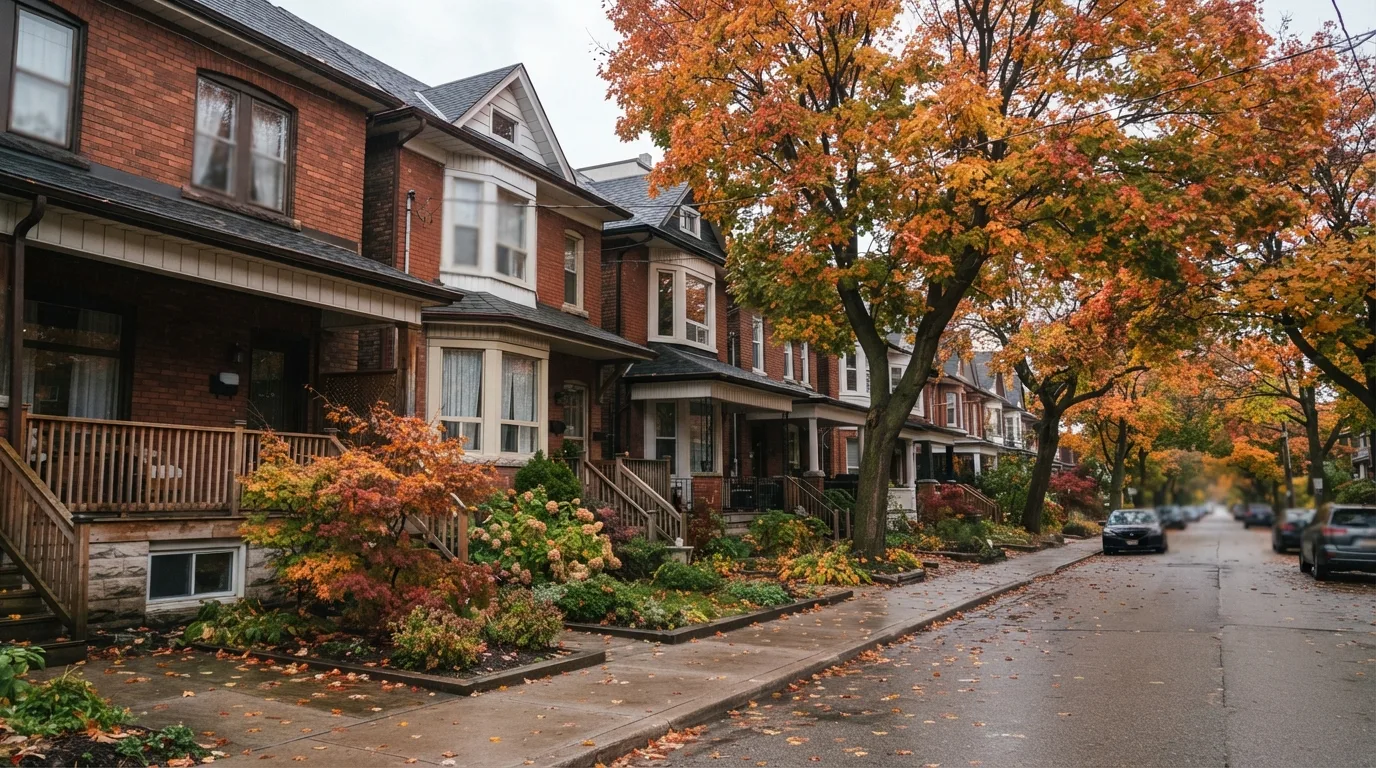
Is There Radon in Toronto? What the Data Can and Cannot Say
Yes, there is radon in Toronto homes. The 2024 Cross-Canada Survey, by university researchers working with Health Canada, found 1 in 22 Toronto-area houses (4.5 percent) above 200 becquerels per cubic metre (Bq/m3), the level of Health Canada's radon guideline, and another 12.2 percent between 100 and 199 Bq/m3.
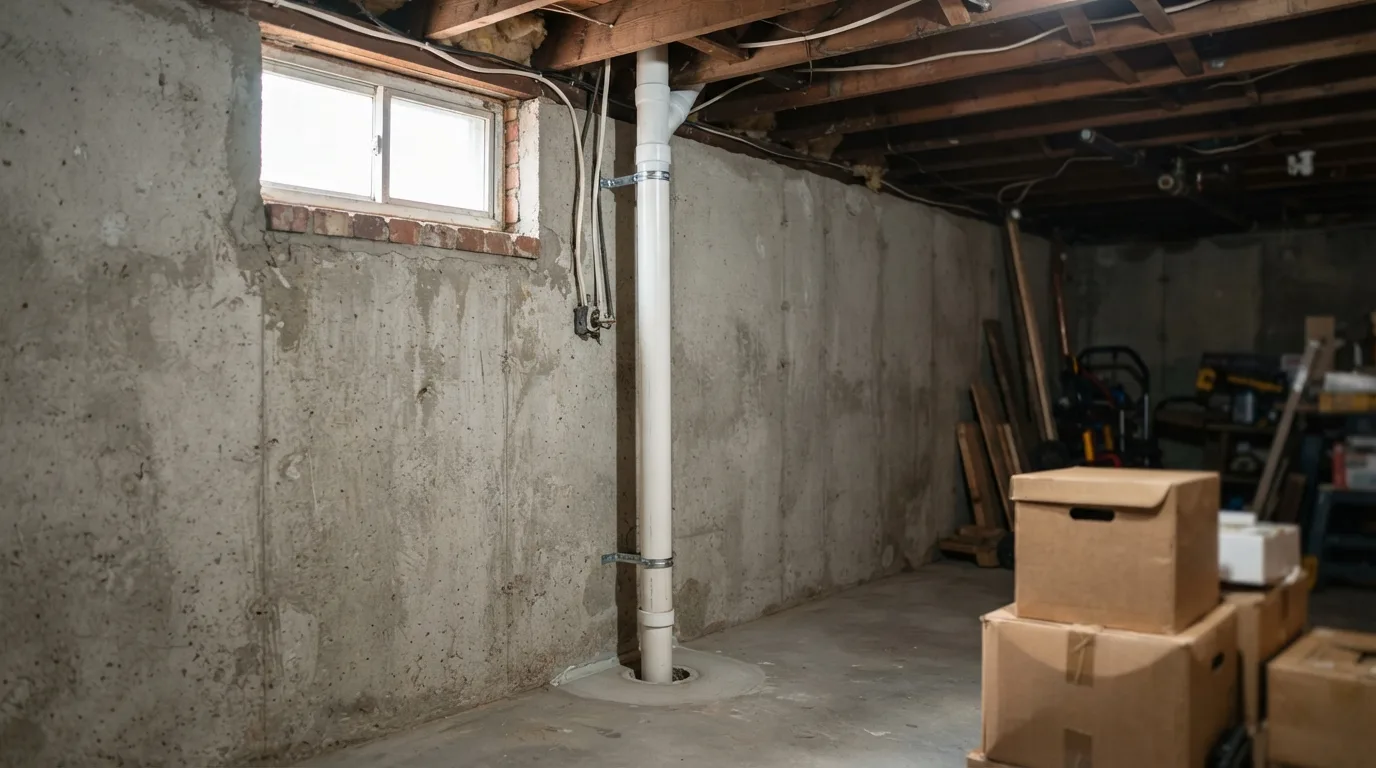
How to Reduce Radon in a Basement: The Options Compared
To reduce radon in a basement that a long-term test puts above Health Canada's guideline of 200 becquerels per cubic metre (Bq/m3), have a certified professional install active soil depressurization (ASD): a sealed pipe through the floor with a fan that pulls soil gas outdoors. Health Canada's 2026 factsheet says ASD "can reduce radon levels by 90% or more".
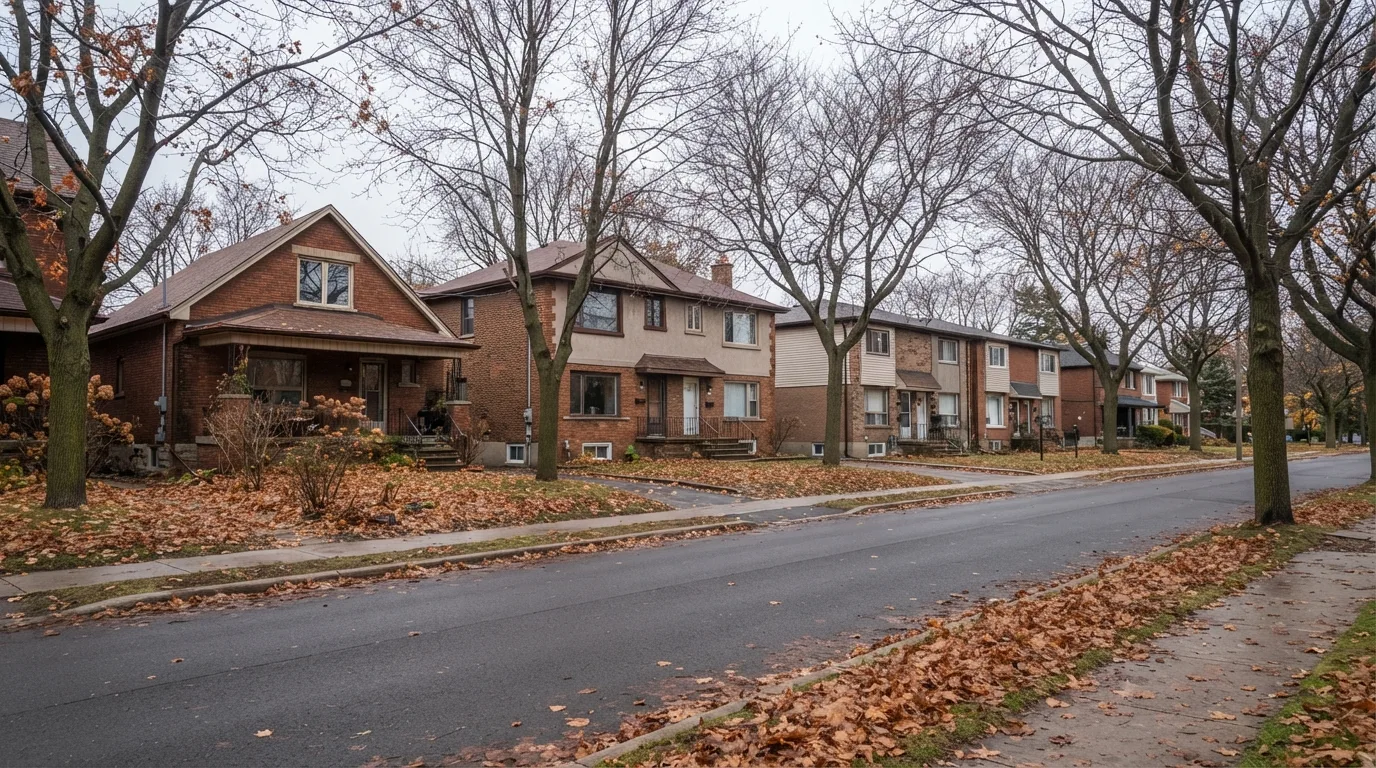
Radon Levels by Province: The Canada-Wide Survey Results
About 1 in 5 Canadian houses (17.8 percent) is at or above Health Canada's radon guideline of 200 becquerels per cubic metre (Bq/m3), according to a 2024 survey by university researchers working with Health Canada.
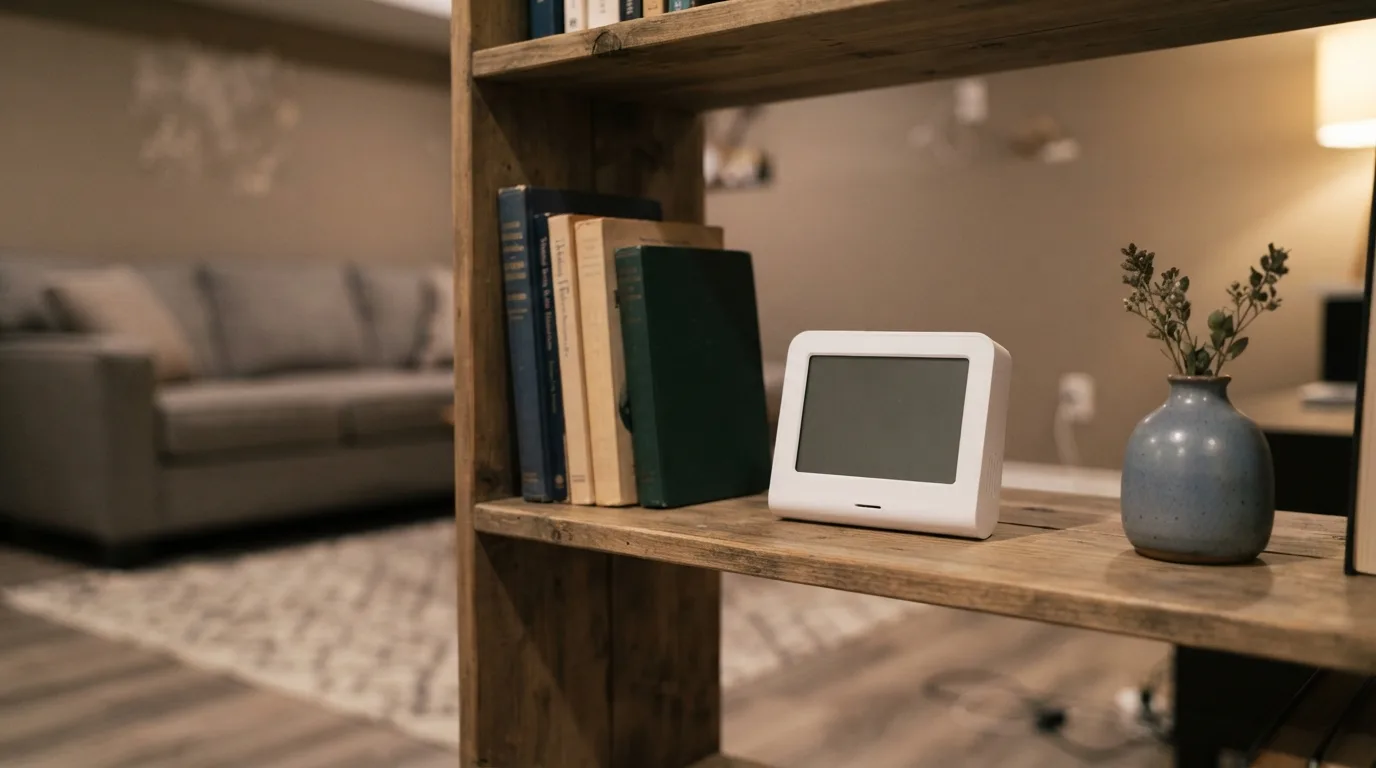
Radon Detectors for the Home: What Health Canada Recommends
Health Canada "strongly recommends testing only with devices" on the list kept by the Canadian National Radon Proficiency Program (C-NRPP), which tests consumer electronic radon monitors (ERMs).
Radon in the Basement vs First Floor: Which Reading Counts
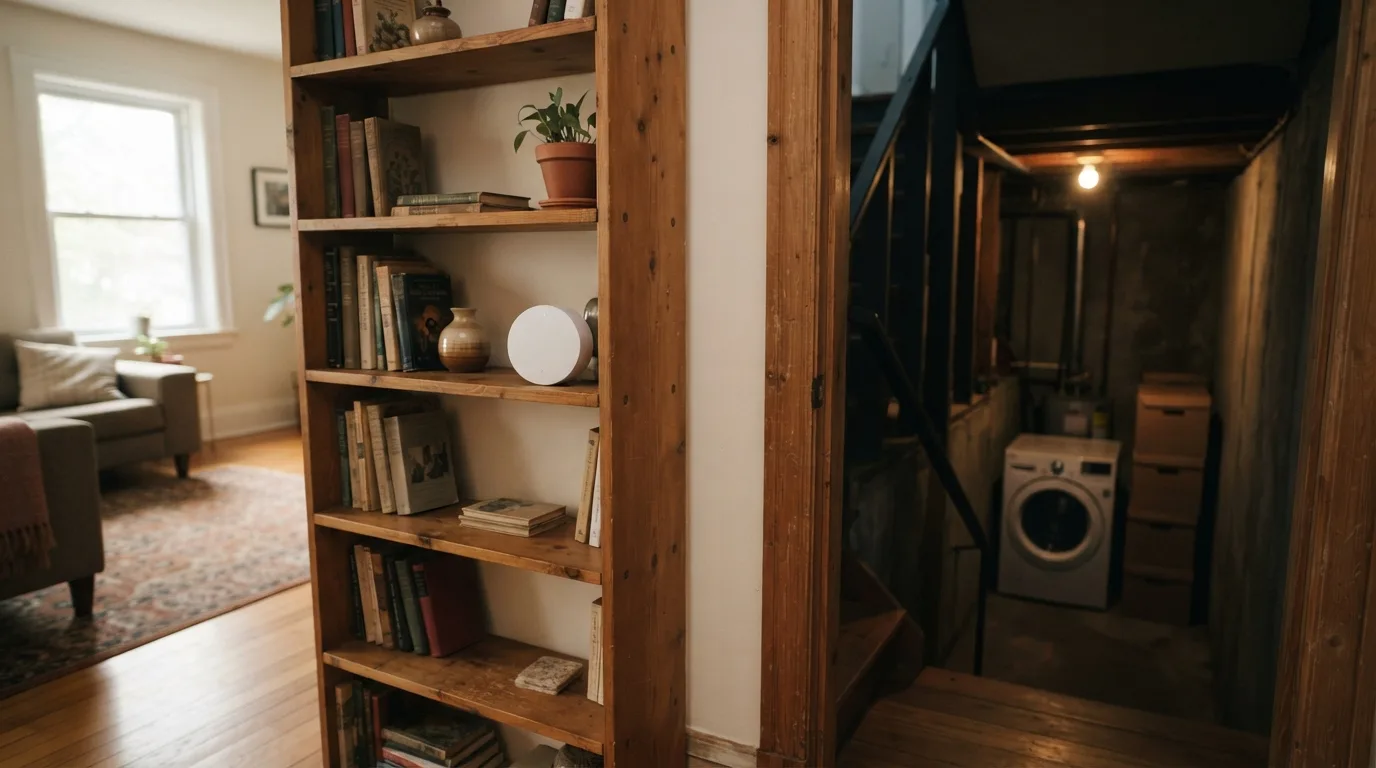
Health Canada's guide says to test radon on the lowest floor of the home where someone spends 4 or more hours a day. The City of Hamilton's public health page says that if the basement holds only a laundry room and storage, the detector goes on the first floor.
Where to Get a Radon Test Kit in Ontario
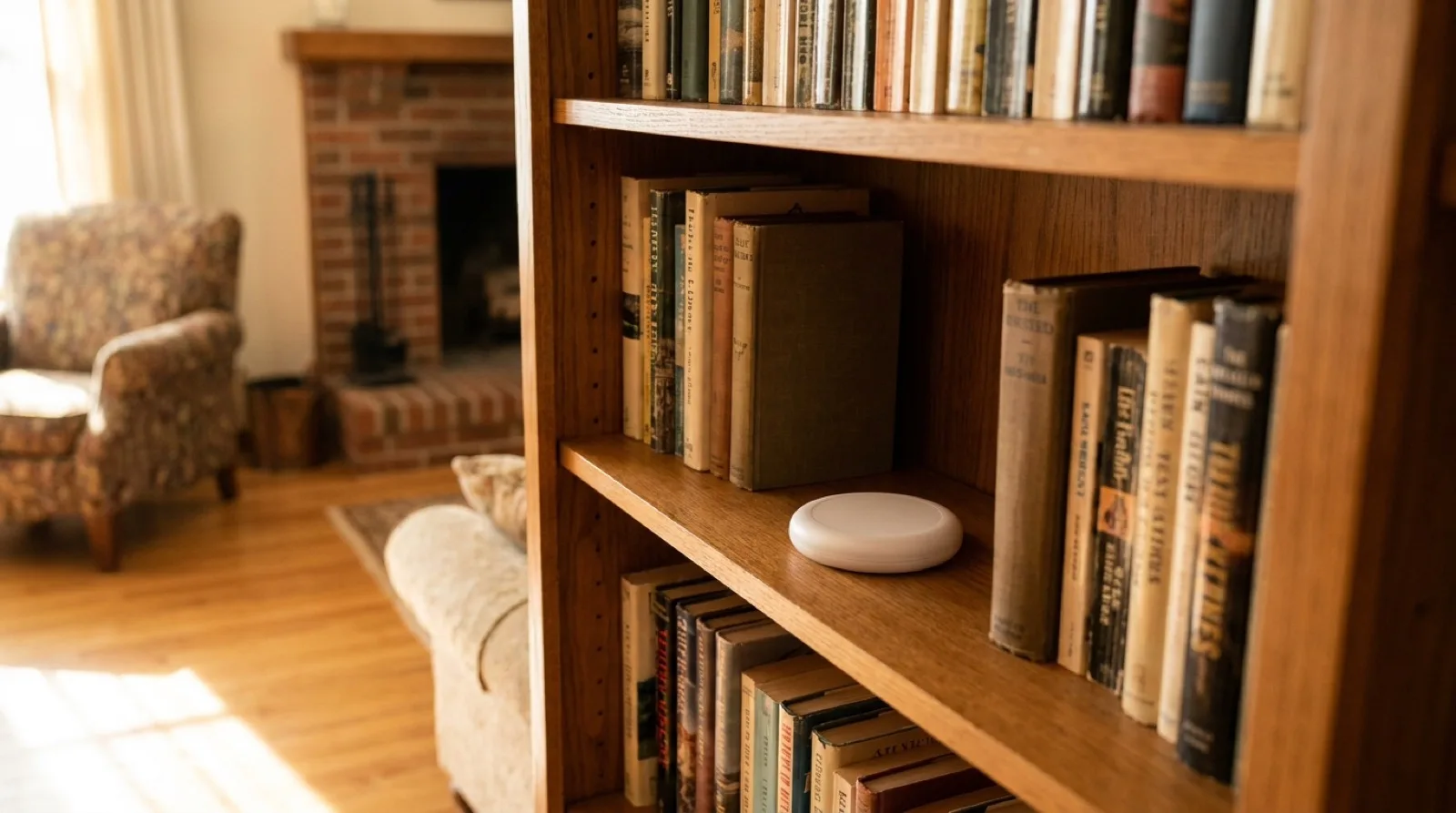
Take Action on Radon publishes a list of radon test kit suppliers for Ontario, and it is the shortest route to a kit from a named laboratory.
Retesting After Radon Mitigation
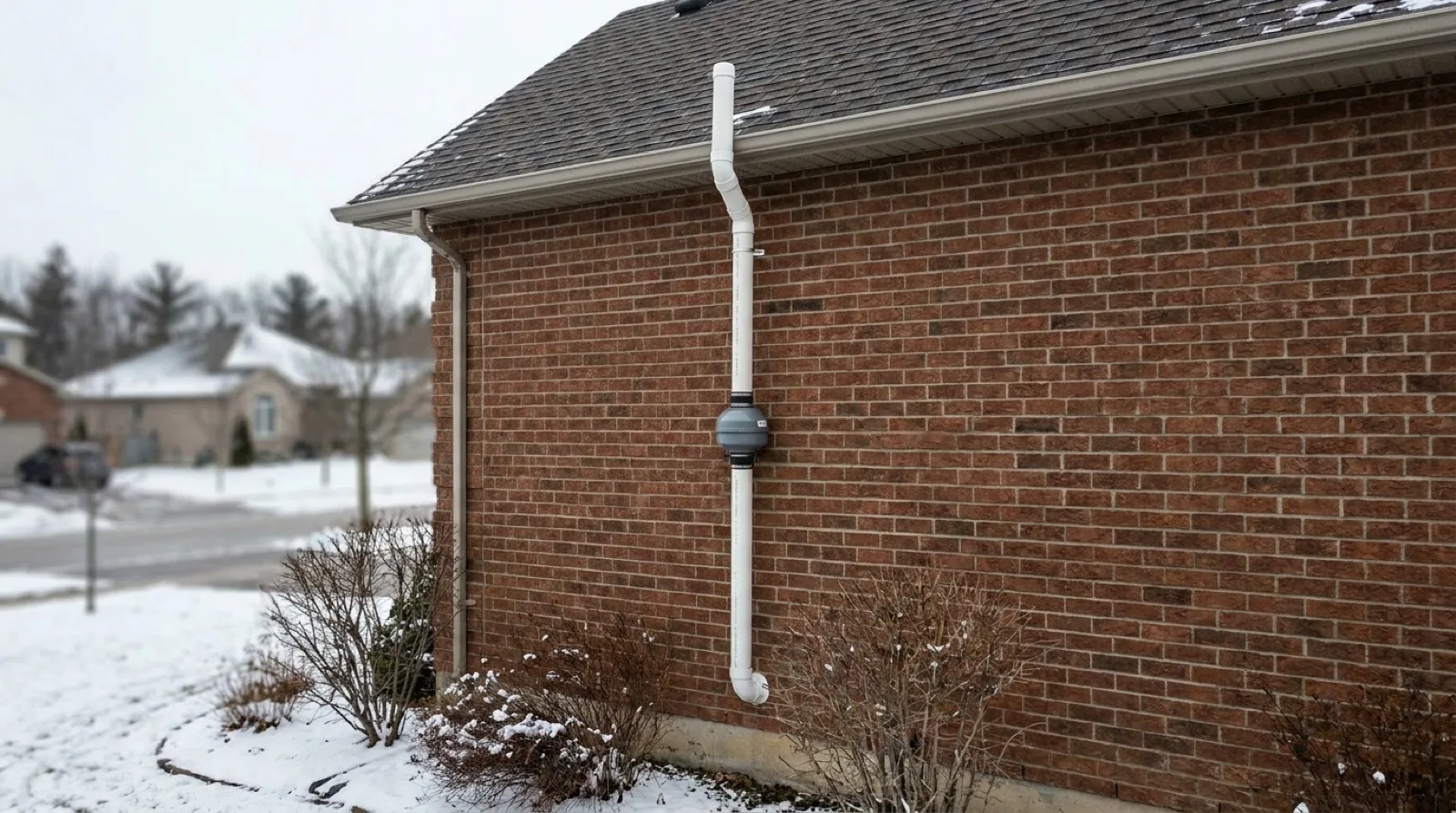
Health Canada's reduction guide asks for two measurements after a system is switched on. First a short test by a certified professional, to show the system is working. Then a long term three month test the following fall or winter, to confirm the annual average came down.
Radon and Buying a Home in Ontario
Health Canada's own real estate guidance says it "doesn't recommend conducting a radon test during a real estate transaction", and asks buyers instead to run a long term test once they have moved in.
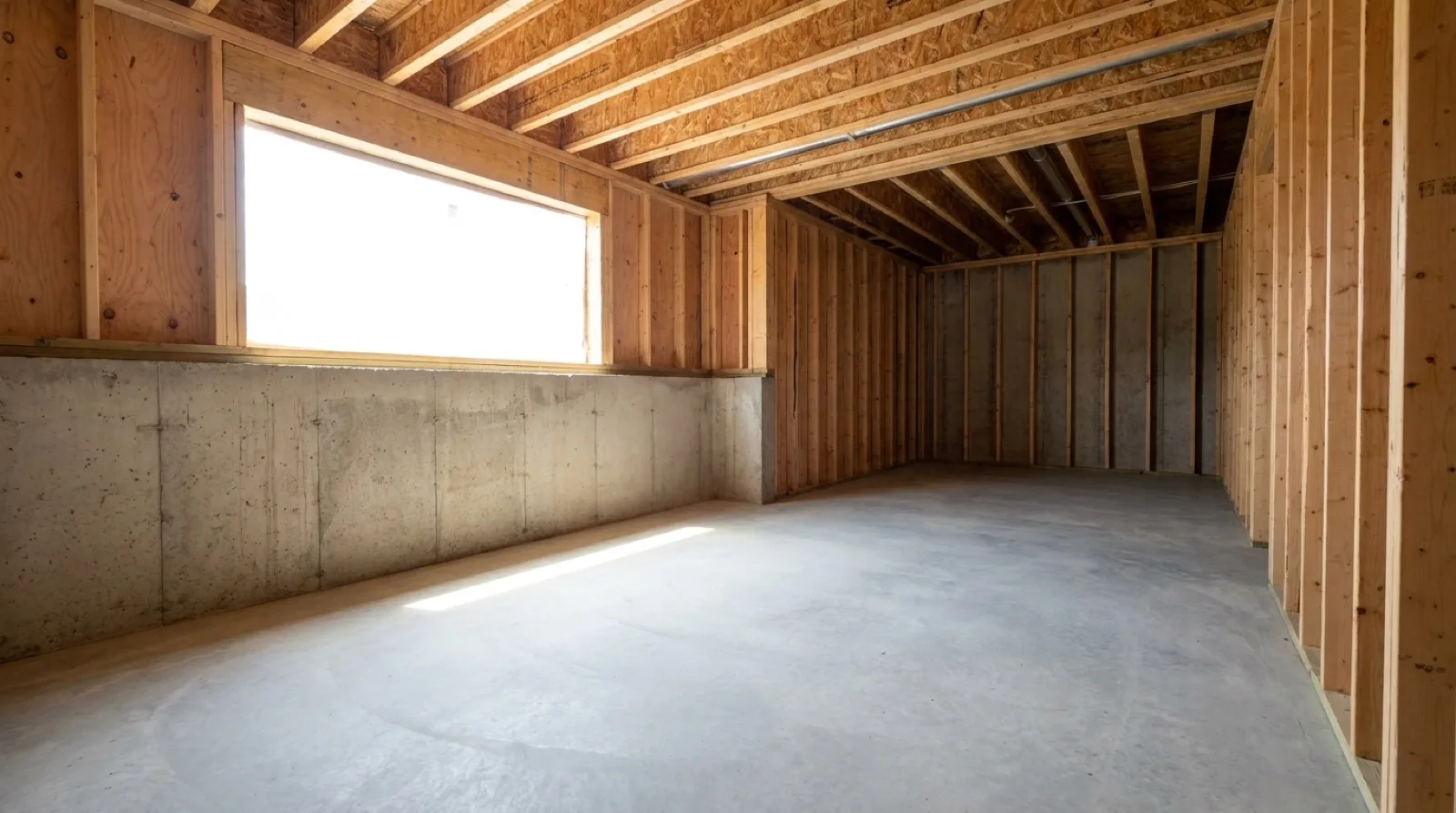
Radon Rough-In in New Ontario Homes
New low rise homes built to the 2024 Ontario Building Code carry three soil gas measures: a soil gas barrier, a rough-in for a subfloor depressurization system, and a whole house ventilation system.
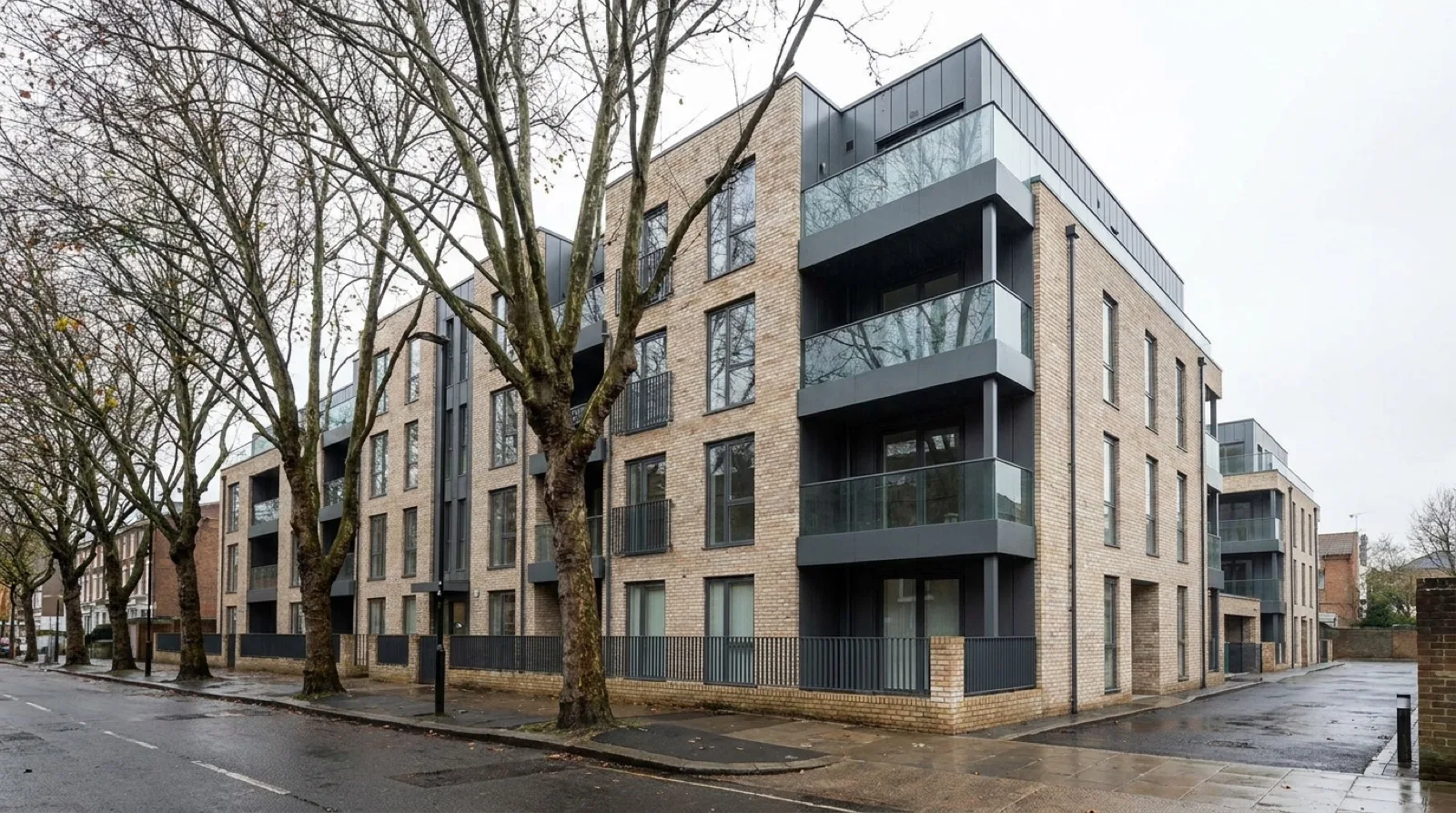
Radon in a Toronto Condo or Apartment
Radon still comes from the ground, so the lowest occupied floors of a tower are where it matters most and where testing effort belongs first.
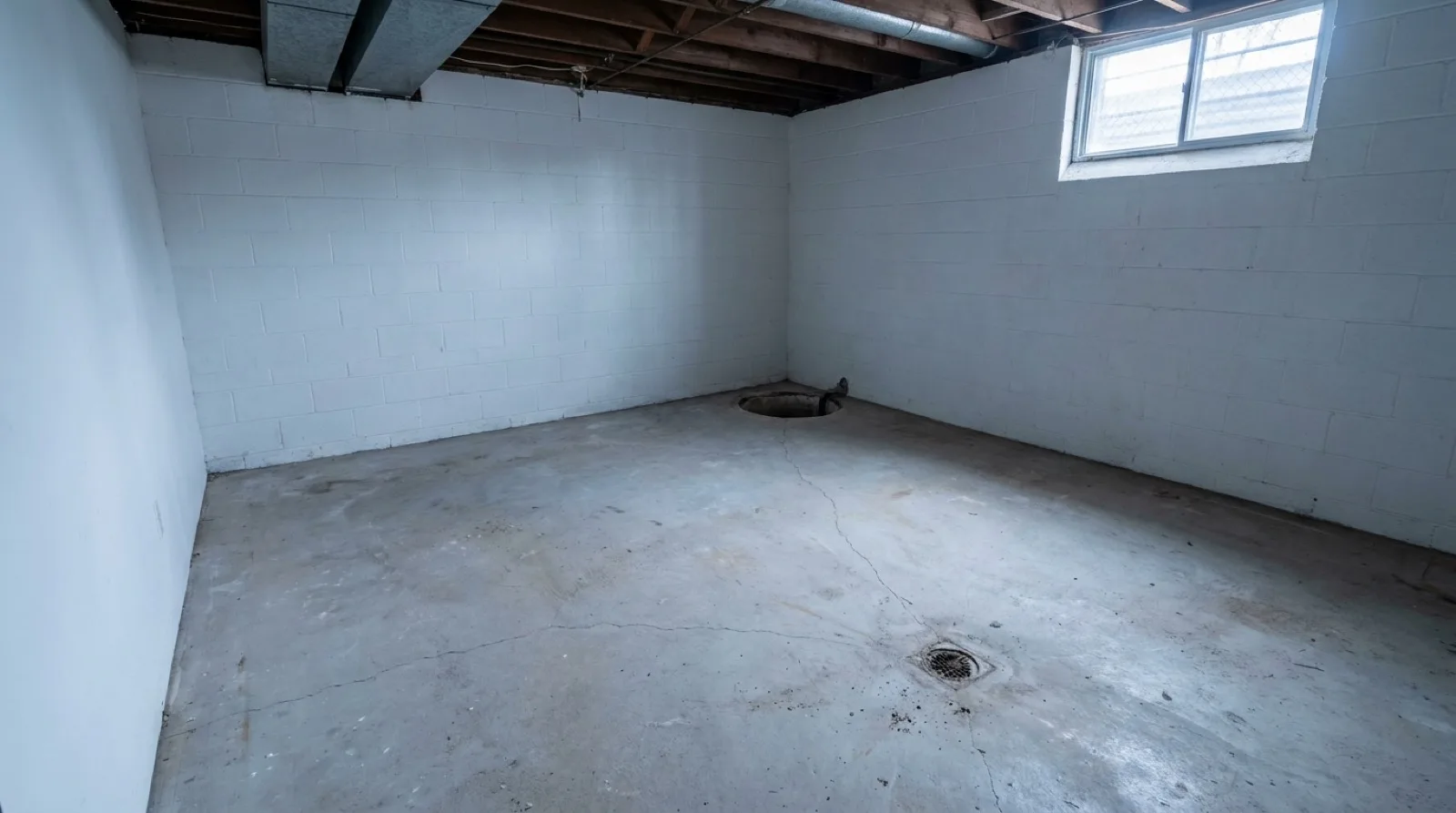
Where Radon Gets Into a Toronto Home
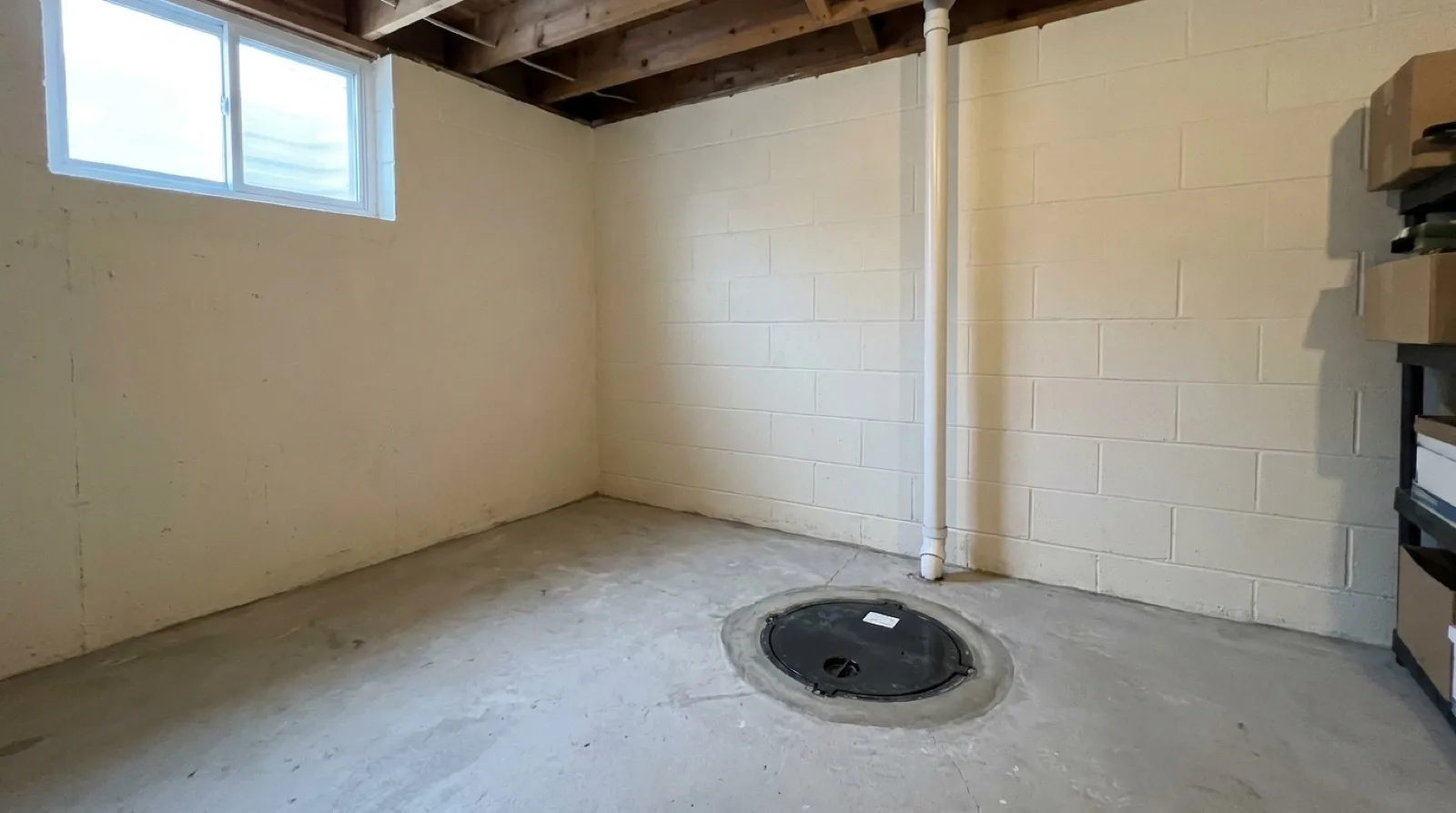
Radon comes from the ground under the building, not from materials in it, and it enters wherever a pressure difference can pull soil gas through an opening in the lowest floor.
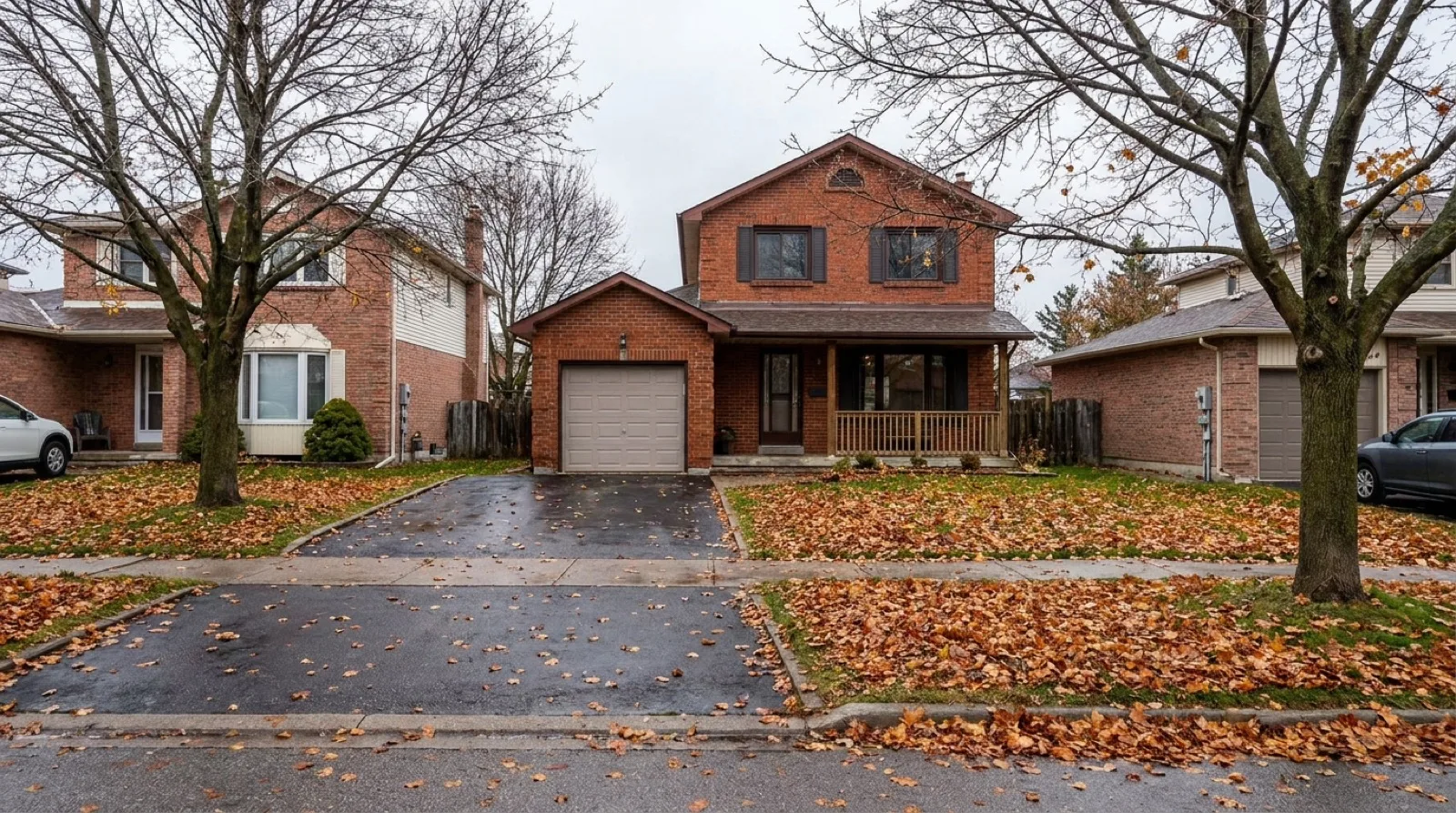
What the 200 Bq/m3 Radon Guideline Means
The Canadian guideline is 200 becquerels per cubic metre, and Health Canada applies it to the average annual radon level in the normal occupancy area of a building, not to a single reading.
How to Read a Radon Mitigation Quote
Two quotes are only comparable once you know how many suction points each assumes, where the pipe runs, and whether a post mitigation test is included.
How to Test a Home for Radon in the GTHA
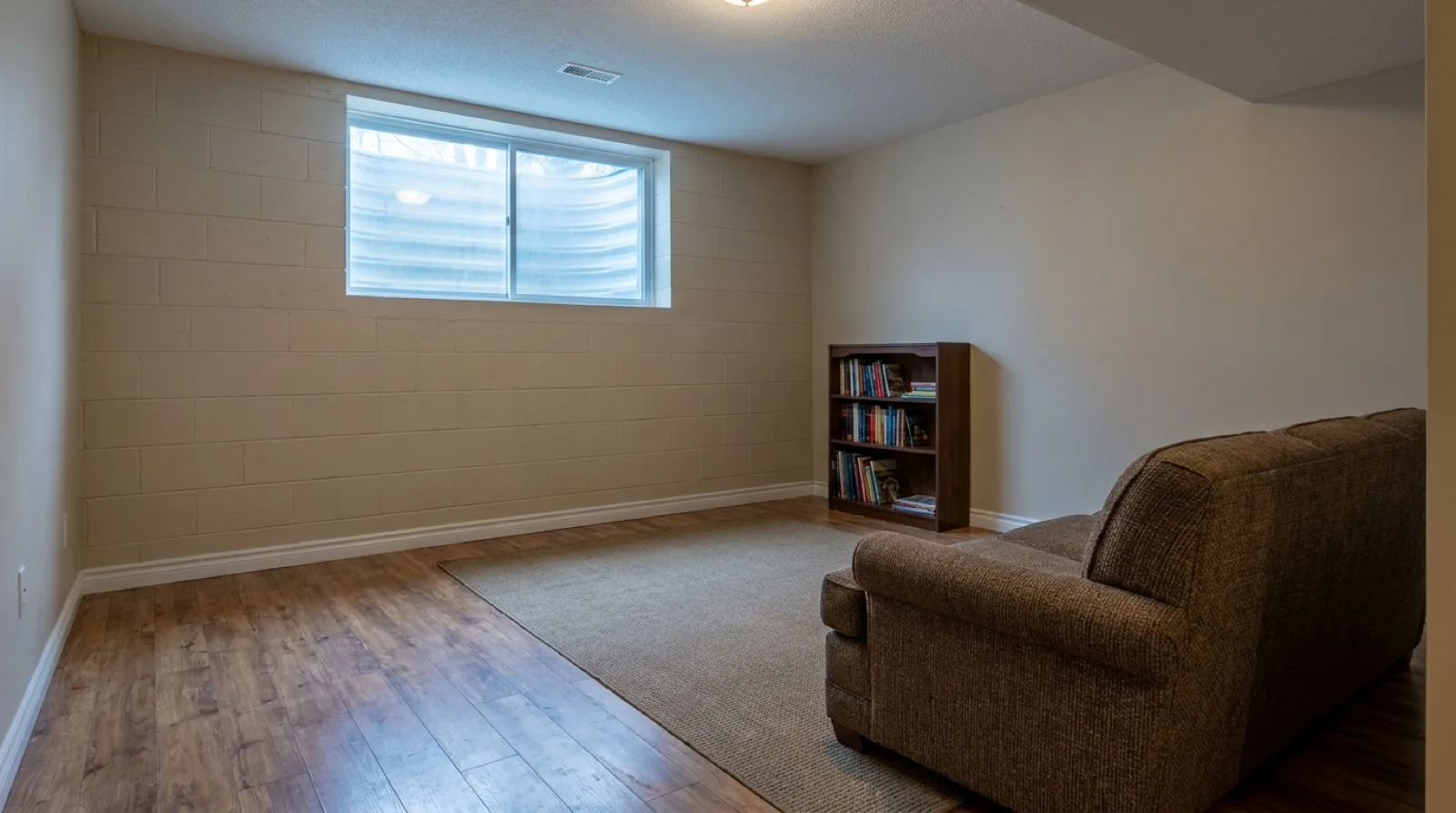
Health Canada's Guide for Radon Measurements in Residential Dwellings asks for a long term test of three to twelve months, with at least 91 of those days falling in the heating season.
How a Radon Mitigation System Works
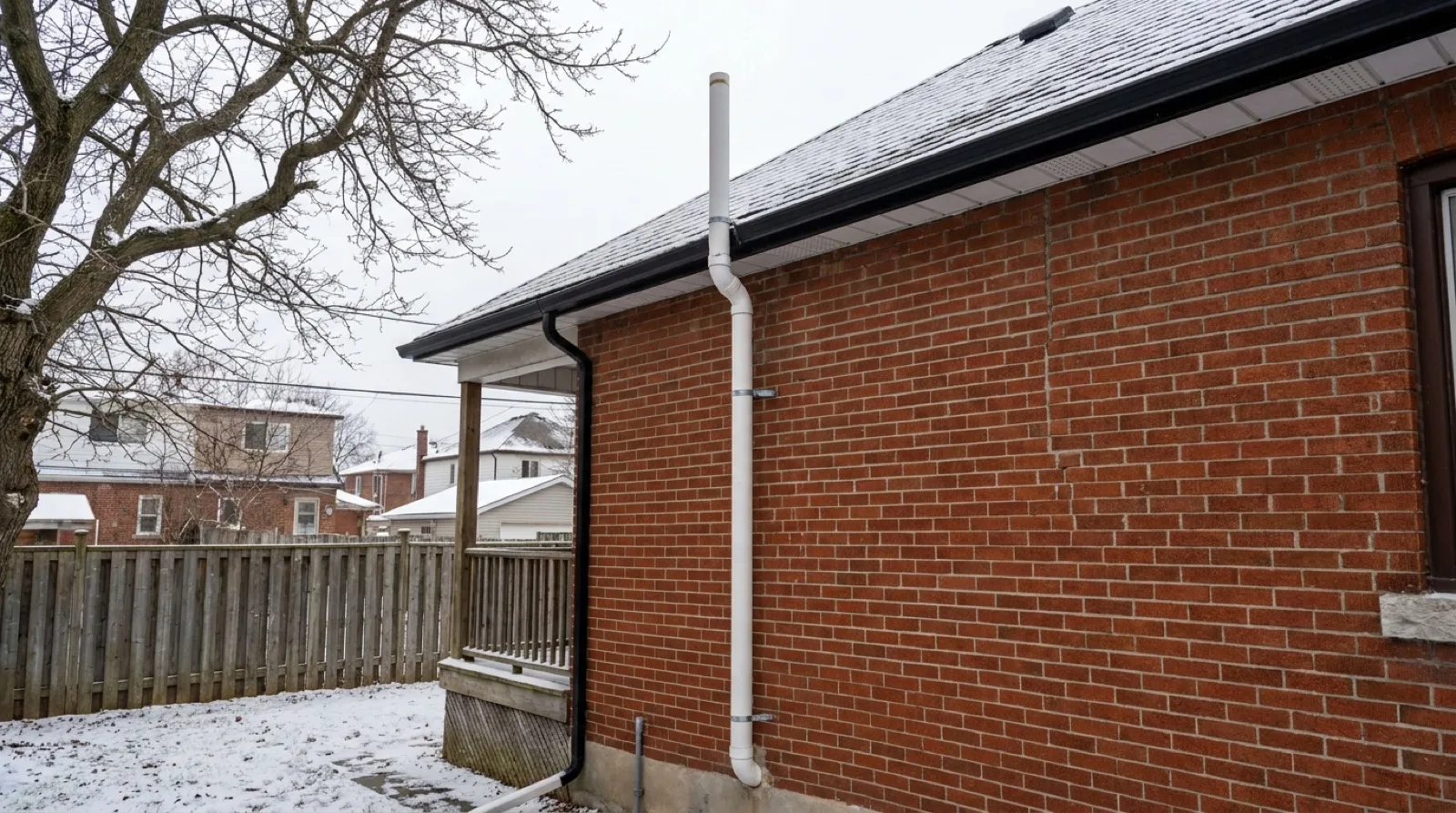
The standard fix is sub slab depressurization: a sealed pipe from a pit under the basement floor to a fan that discharges the soil gas above the roofline.